

Towards Community-Directed
Adaptation Research (C-DAR)
"Universities need to establish a responsible and committed dialogue with Indigenous peoples and traditional territories who are facing the climate emergency. Academic researchers should share in both the struggles and collective resilience strategies against these changes, and research collaborations must benefit these peoples and their lands in some way, while also following the guidelines and sentiments of the communities who care for Mother Earth and all of nature."
- Mateus Tremembé, Indigenous Leader from the Tremembé da Barra do Mundaú and Co-Director of the TEST Lab
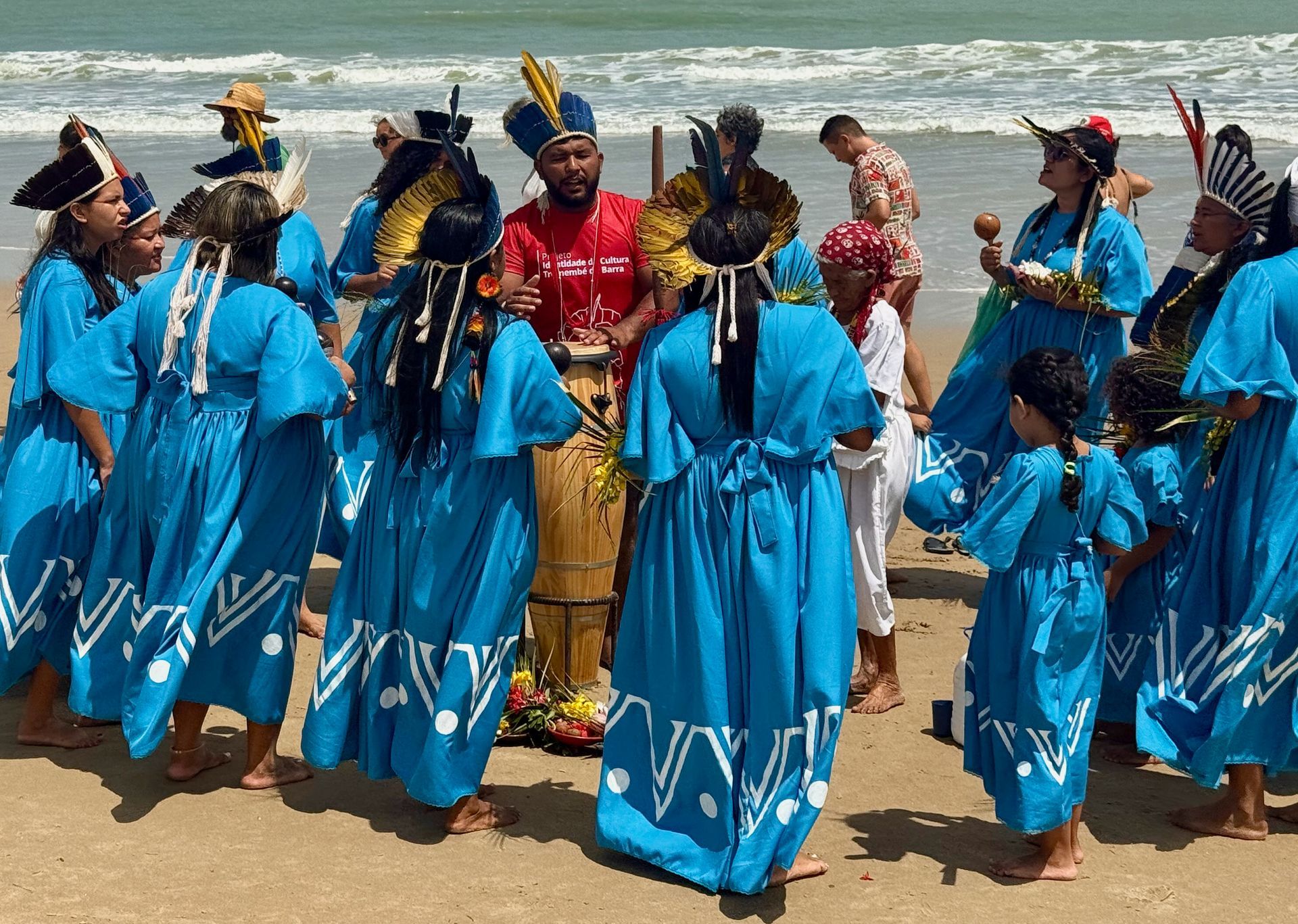
Land-based communities, such as the one Mateus Tremembé belongs to, live in reciprocal relationships with their surrounding ecosystems and possess deep local knowledges about the waters and soils that sustain their ways of life. As is often the case for those who have contributed the least to global emissions, these communities are highly vulnerable to the accelerating and intensifying impacts of climate change. They also increasingly face threats to their food and water security, livelihoods, and community well-being. Furthermore, these communities are often excluded from climate research and sustainability policy development, instead having "solutions" paternalistically imposed on them from outside researchers and institutions. These inequitable dynamics persist despite growing recognition that land-based communities are key to developing responses to the climate and nature emergency --- including their central role in the future of transdisciplinary sustainability research.
Led by land-based community partners, and in collaboration with interdisciplinary critical social scientists and local academics and in consultation with natural scientists, this Community-Directed Adaptation Research (C-DAR) project will: 1) Co-create knowledge about climate adaptation; 2) develop an innovative visual social science methodology, 3) provide a high-quality training experience for students, 4) build a network of interdisciplinary researchers, and 5) mobilize outputs to support community partners and guide future research.
community partners
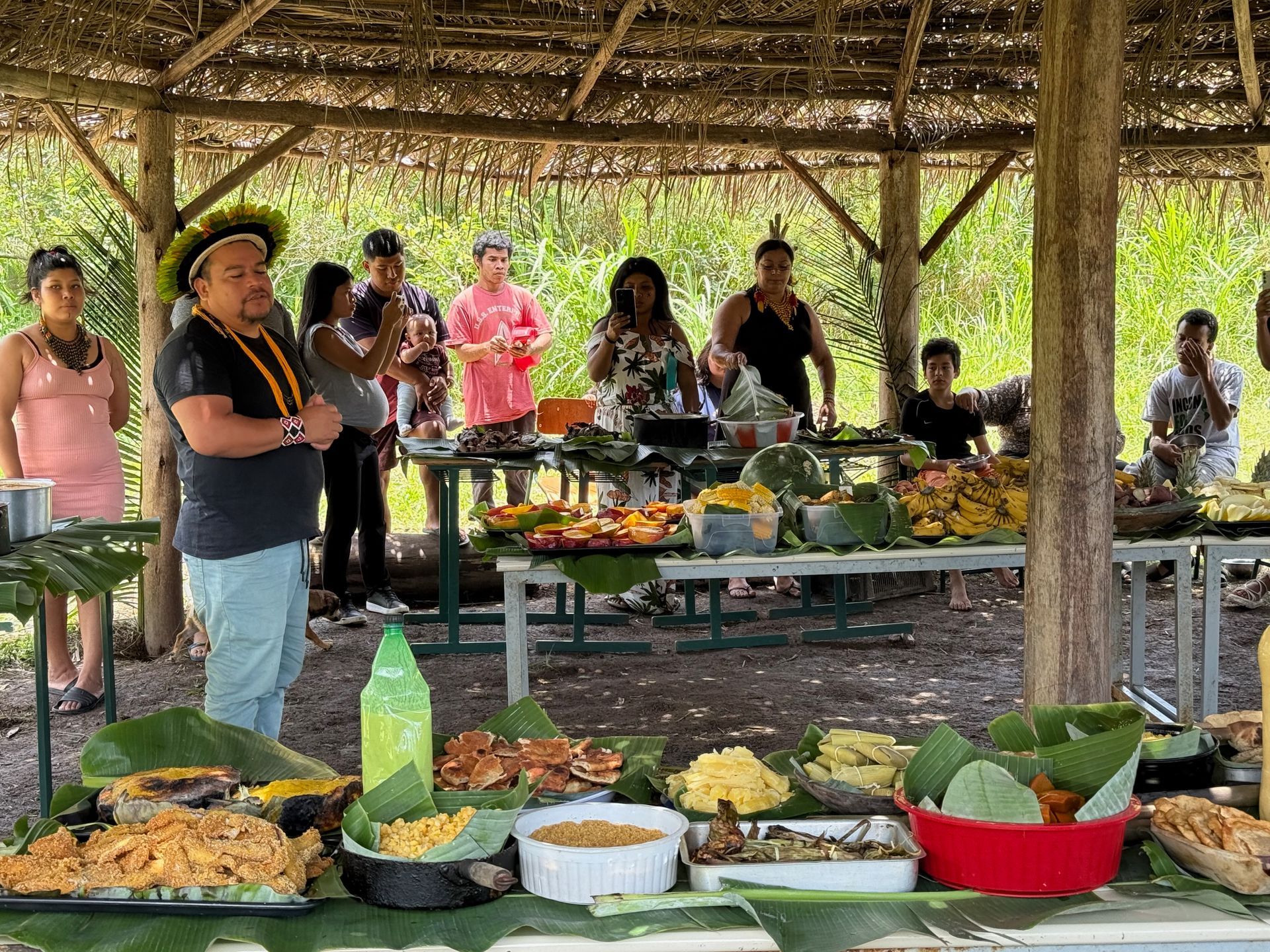
The C-DAR project would not be made possible without the support and direction of our community partners in Brazil.
Outputs
List of Services
-
Reparative Research Card DeckList Item 3
This card deck is a set of reflection prompts designed to support a more reparative approach to research—especially for those working on topics related to the Climate and Nature Emergency. Developed by Dr. Sharon Stein (UBC) and Dr. Evan Bowness (Western University)—in ongoing collaboration with land-based communities such as Mateus Tremembé from the Tremembé da Barra do Mundaú community in Brazil, and inspired by the Gesturing Towards Decolonial Futures Collective—the Towards Reparative Research Card Deck invites researchers to critically examine how their work is entangled in histories of extraction, control, and colonial harm.
-
Canadian Journal of Action ResearchList Item 1
Bowness, E., Nehemy, M., Tremembé, M., and Timóteo Martins, D., (Forthcoming). “Towards Community-Directed Climate Adaptation Research (C-DAR).” Canadian Journal of Action Research.
-
Reparative Research for the Climate and Nature EmergencyList Item 2
Stein, S. and Bowness, E. (2025). “Reparative Research for the Climate and Nature Emergency.” Climate & Development.
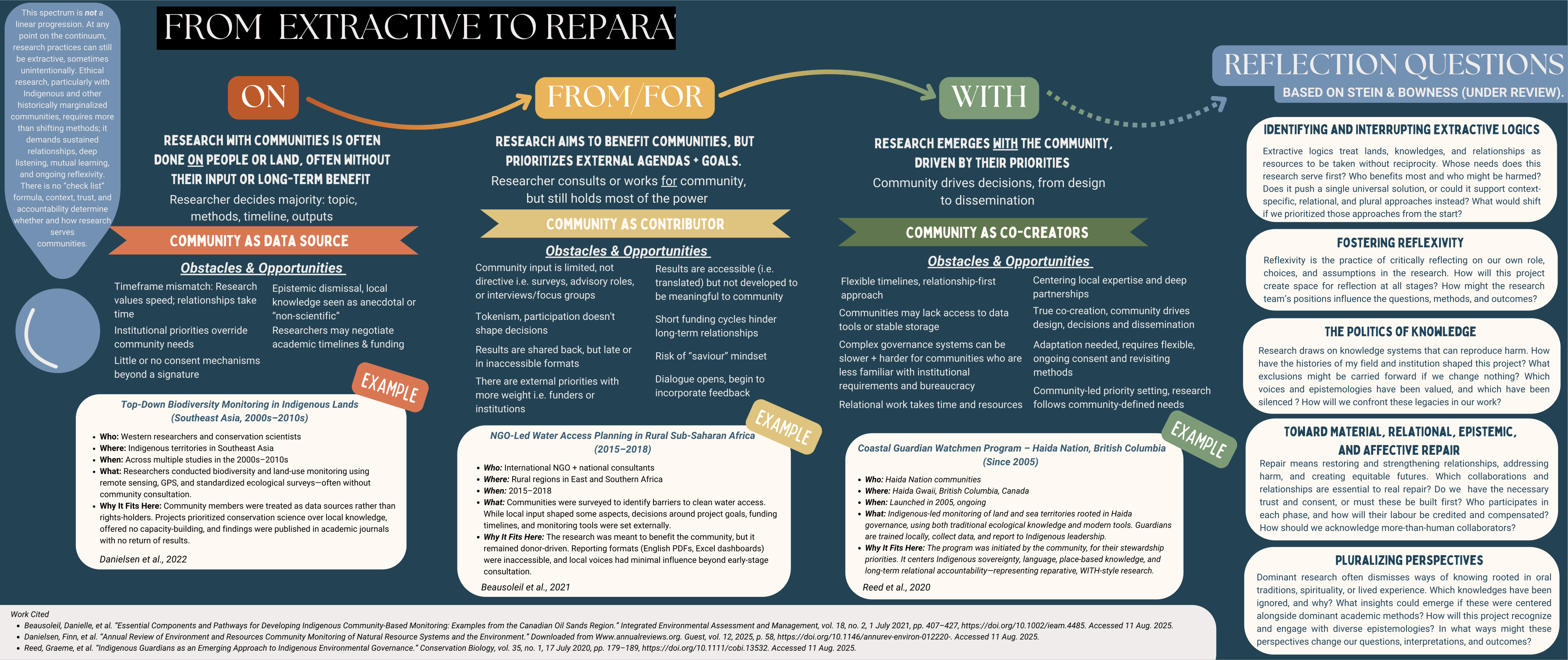
SSHRC Undergraduate Summer Research Award holder Ally Karabu created this infographic to accompany the Reparative Research Cards.
Undergraduate Summer Research Intern Sherisse Lancaster created this infographic about Boundary Work